October 16, 2026
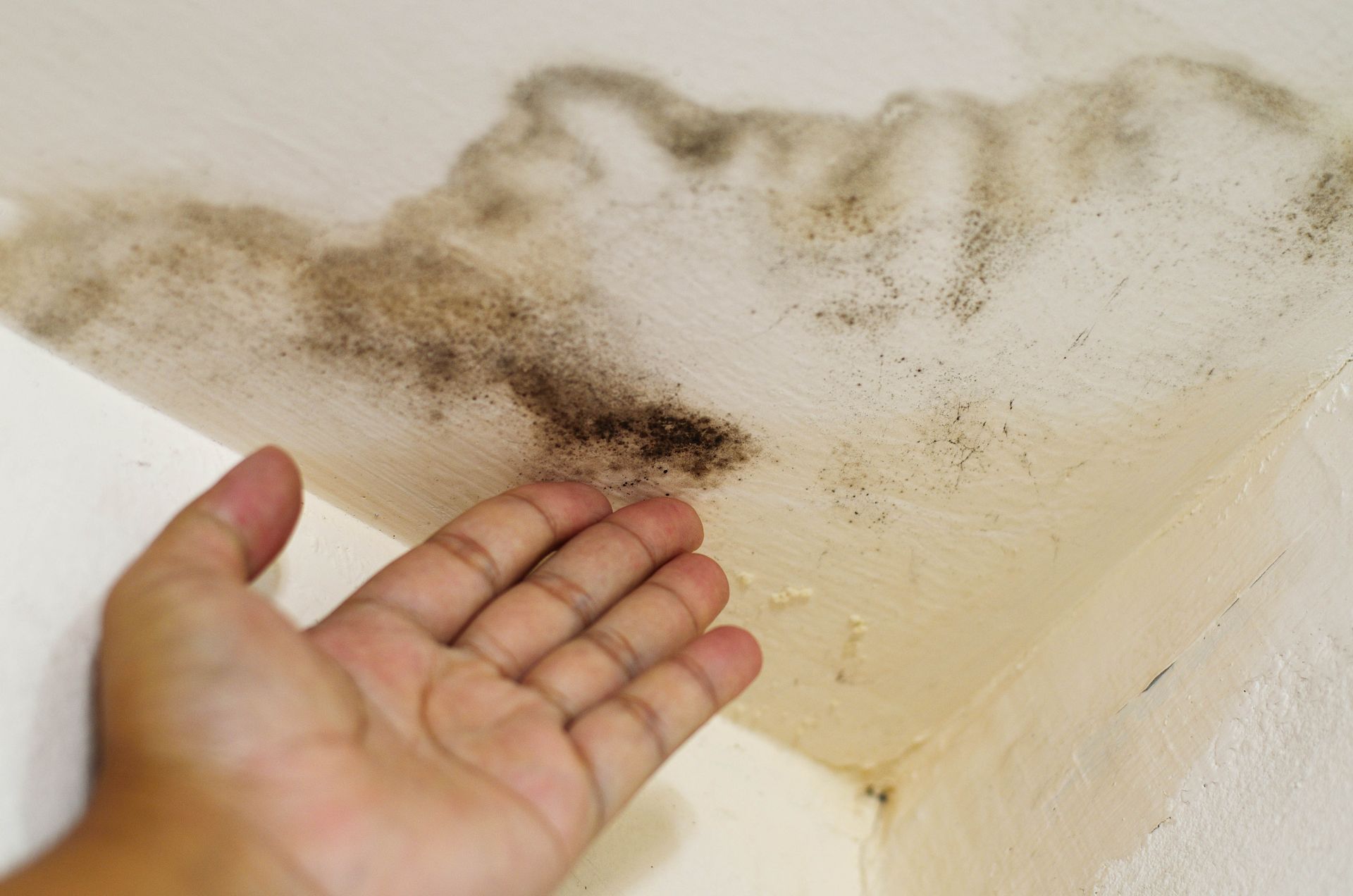
Water intrusion inside a home or business creates a stressful environment that quickly escalates if ignored. According to Real Time Lab, mold requires a mere 24 to 48 hours to begin growing following a moisture-related event. To combat this rapid spread, professionals utilize techniques to safely mitigate the threat and restore the property to its original condition.
Assessing the Initial Damage
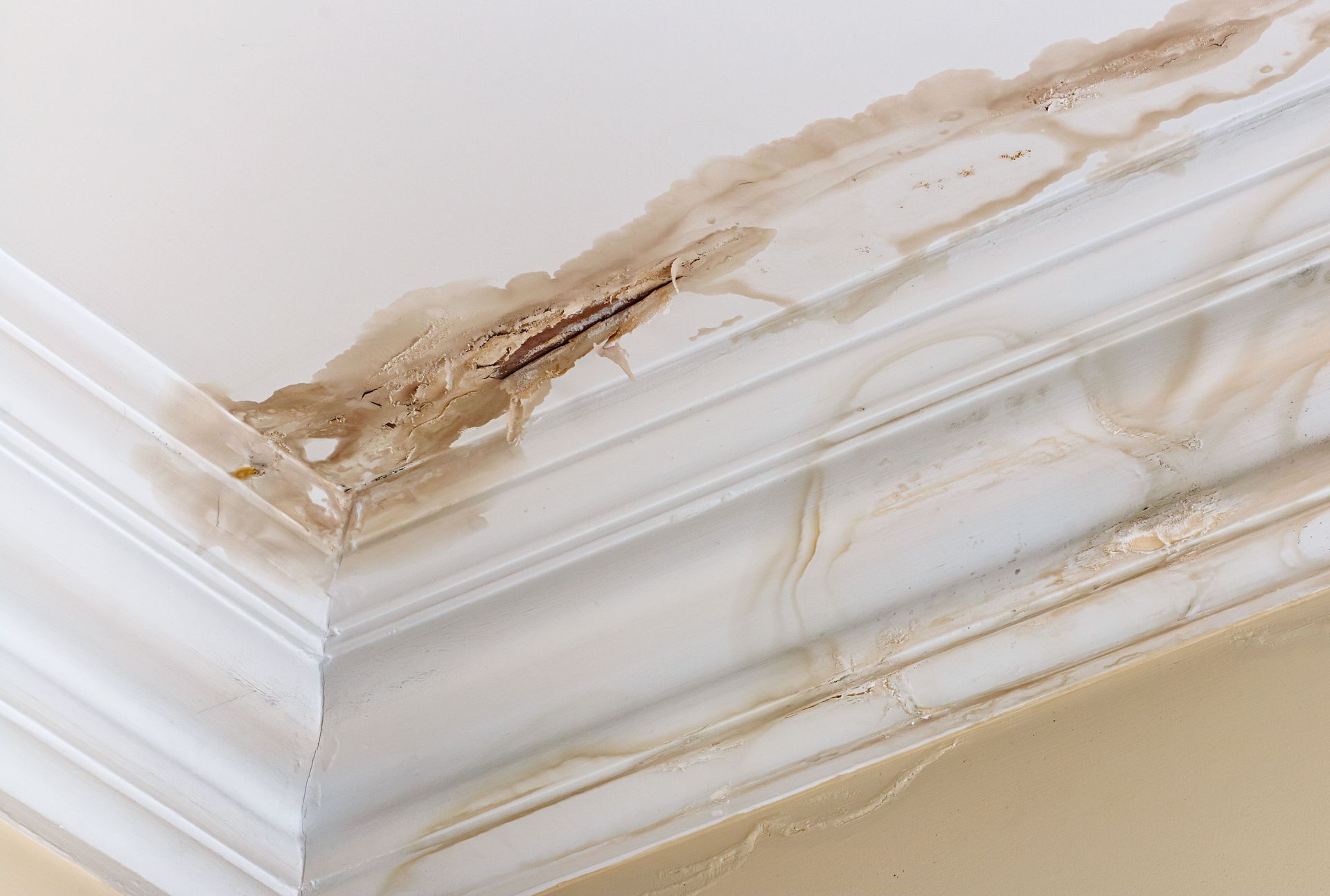
When a professional water damage company arrives at a compromised property, their first priority is conducting a comprehensive evaluation of the affected space. This initial assessment goes beyond looking at visible puddles on the floor or obvious water stains on the ceiling. Technicians utilize advanced moisture detection equipment such as probing moisture meters to map out the exact migration path of the water. Because moisture easily hides behind drywall, under floorboards, and inside ceiling cavities, relying solely on the naked eye is never sufficient for a complete diagnosis. By pinpointing the exact boundaries of the moisture intrusion, technicians develop a highly targeted action plan that addresses both visible destruction and hidden threats. The experts must document the entire scope of the situation to ensure every single drop of rogue moisture is accounted for before moving forward. This proactive approach prevents minor leaks from snowballing into catastrophic structural failures.
Extracting the Standing Water
Once the assessment is complete, the water damage company immediately transitions into the water removal phase. This critical step must be executed with extreme urgency to halt structural deterioration and prevent the environment from reaching the critical humidity levels that fungi crave. Professionals deploy industrial-grade extraction equipment, including truck-mounted vacuums and heavy-duty portable pumps, to physically pull standing water out of the property. The sheer power of these extraction units allows them to pull moisture not just from the surface of carpets, but from the deep padding underneath and the subfloor below that. By rapidly decreasing the volume of liquid present, technicians significantly reduce the overall drying time required in subsequent phases. This aggressive approach is the most effective way to protect porous building materials from irreversible ruin. Without this high-powered intervention, lingering liquid continuously evaporates, creating a climate suited for massive microbial infestation. Time saved during the extraction process significantly improves the chances of saving the flooring.
Drying the Affected Areas
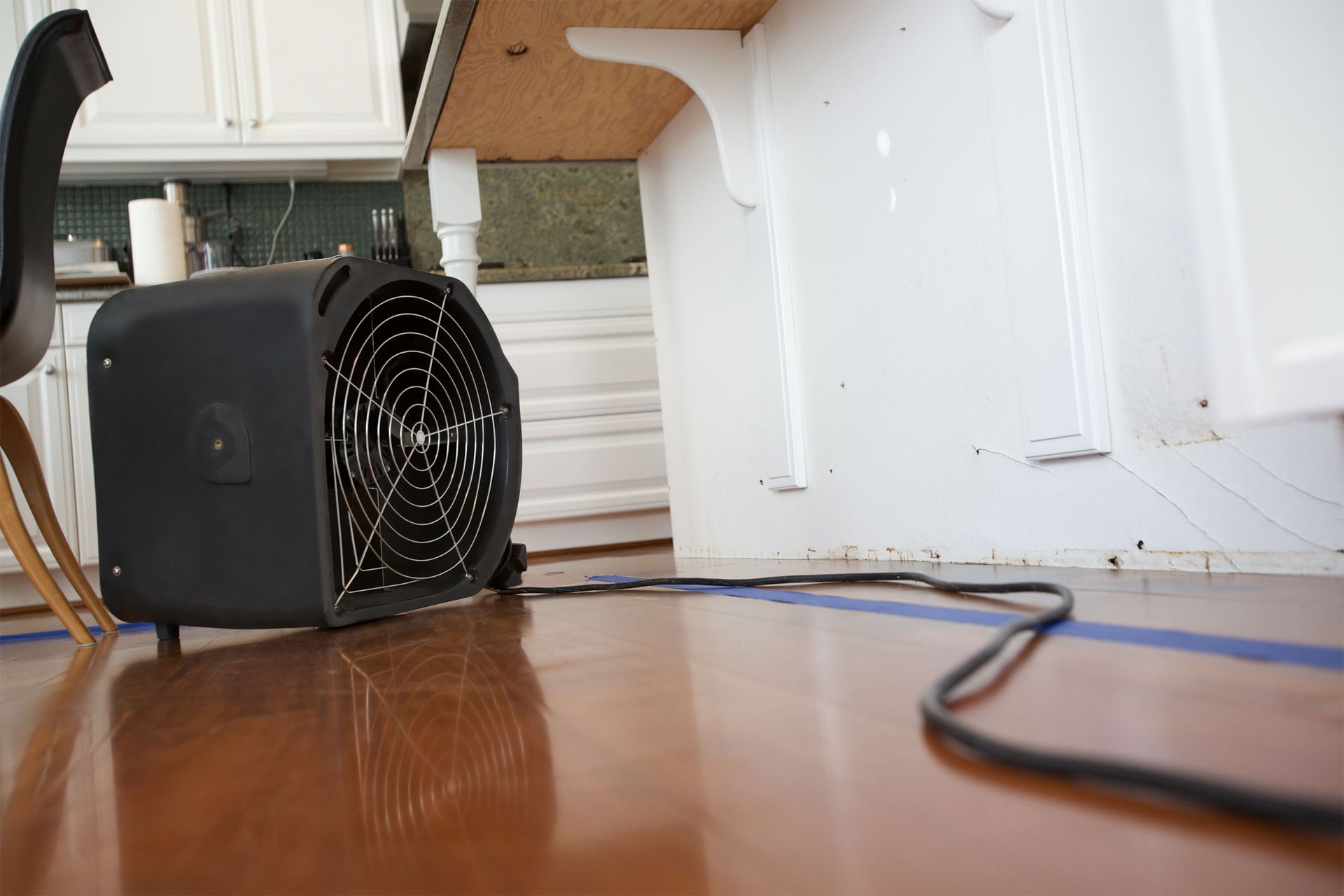
Following the physical extraction of the standing liquid, the environment will still harbor significant amounts of bound moisture trapped inside building materials. To achieve thorough evaporation, technicians strategically position a fleet of high-velocity air movers and commercial-grade dehumidifiers throughout the compromised zones. The air movers are placed at specific angles to create a continuous vortex of airflow across wet surfaces, forcing the trapped moisture to evaporate into the surrounding air. Simultaneously, low-grain refrigerant dehumidifiers pull this newly humidified air into their systems, strip the moisture out through condensation, and pump warm, bone-dry air back into the room. This calculated manipulation of indoor psychrometry forces building materials to surrender their retained water content much faster than natural conditions allow. Technicians return daily to record temperature, humidity, and moisture content readings, adjusting equipment placement to optimize the drying chamber until materials reach their dry standard. Consistent monitoring guarantees that the internal climate remains strictly controlled until the final goal is achieved.
Removing the Contaminated Materials
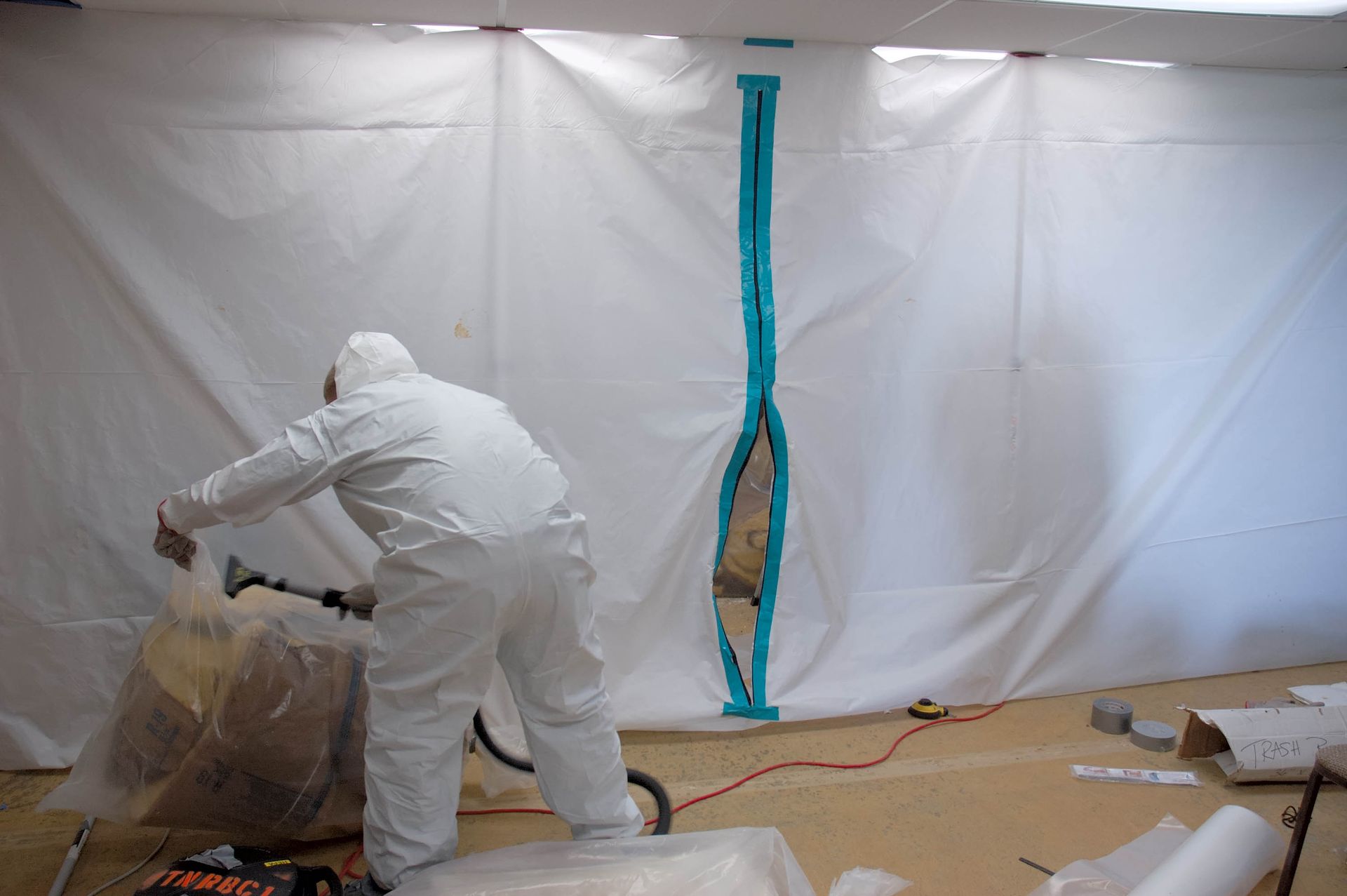
In many severe moisture intrusion scenarios, certain building materials become far too compromised to be saved and must be completely removed from the premises. A reputable water damage company understands exactly which items can be successfully dried and which pose an unacceptable risk of future contamination. Porous materials like heavily saturated carpet padding, soggy fiberglass insulation, and crumbling drywall that have sat in standing liquid for extended periods are typically considered total losses. When these materials are deemed unsalvageable, technicians perform controlled demolition to carefully excise the damaged sections without spreading secondary debris to unaffected areas. The removal process is handled with strict containment protocols, often involving heavy-duty plastic barriers and negative air pressure machines equipped with high-efficiency particulate air filters. By decisively eliminating these waterlogged materials, the professionals remove the most likely habitats for future fungal colonies to establish themselves permanently. This meticulous separation of clean and dirty zones is a hallmark of professional restoration work.
Applying the Antimicrobial Treatments
Even with thorough extraction and rigorous drying, microscopic organic threats often remain present on exposed structural framing and subflooring. To neutralize these invisible threats, the water damage company applies professional-grade antimicrobial and biocide solutions to all affected surfaces within the drying chamber. These specialized cleaning agents are specifically formulated to destroy existing fungal spores on contact and leave behind a protective residual barrier that inhibits future microbial proliferation. The application process might involve targeted spraying, deep saturation wiping, or thermal fogging, depending on the severity of the situation and accessibility of framing cavities. Unlike over-the-counter bleach products that merely address surface stains while leaving underlying root systems intact, these commercial-grade treatments penetrate deep into the cellular structure of wood framing. This chemical application alters the surface chemistry of building materials so they are no longer a hospitable food source for potential infestations, ensuring the skeleton of the building is sanitized. Property owners can rest knowing these biological hazards have been neutralized.
Restoring the Property Conditions
After the moisture has been entirely eliminated and the structural elements sanitized, the final major phase involves returning the property to a state of normalcy. Depending on the initial destruction, a water damage company may also oversee the reconstruction and cosmetic repairs required to make the space whole again. This can involve hanging new drywall to replace sections cut away, installing fresh carpet padding, laying down new hardwood planks, and applying fresh coats of paint to seamlessly blend repaired areas with the rest of the room. The restoration phase is executed with a keen eye for detail to ensure there is no lingering visual evidence that a catastrophic moisture event ever occurred. Furthermore, the reconstruction process provides an excellent opportunity to upgrade certain building materials to more water-resistant alternatives, ensuring a seamless transition between the chaotic teardown phase and the realization of a fully restored environment. A beautiful finish is just as important as the structural drying that preceded it.
Educating the Property Owners
The final critical responsibility of the professionals is empowering the property owner with the knowledge necessary to prevent similar disasters from occurring again. A dedicated water damage company will always take the time to walk clients through the root causes of their specific disaster and offer tailored advice on improving overall building resilience. This might involve recommending the installation of smart water leak detectors near major appliances or demonstrating how to properly maintain the building's central heating and cooling systems to manage indoor humidity levels. Technicians will also educate homeowners on early warning signs of hidden moisture, such as unexplained spikes in utility bills, subtle musty odors, or minor discoloration around plumbing fixtures. By sharing this hard-earned industry expertise, mitigation professionals transform clients from vulnerable victims into proactive defenders of their own properties, protecting the immense effort put into drying and rebuilding the structure. Empowered owners are far less likely to experience a repeat of this stressful disaster.
Mitigating moisture intrusion is a complex scientific process that requires prompt action, specialized equipment, and extensive training to execute correctly. By strictly adhering to these intensive extraction, drying, and sanitization protocols, professionals can successfully halt fungal proliferation and salvage compromised structures. Trusting these experts ensures that your property remains a safe, clean, and structurally sound environment for everyone who enters it. For more insight on the aid a water damage company can provide, please contact FM Services LLC.