November 19, 2026
Water damage can create serious problems for homeowners and property managers, especially when repairs are delayed. Even a small leak can allow moisture to spread into walls, flooring, insulation, and other building materials. When these areas remain damp, mold can develop and create additional health, structural, and financial concerns. Understanding the consequences of postponing water damage restoration helps property owners recognize why a quick response is essential.
Understanding the Immediate Effects of Water Exposure
Recognizing How Moisture Spreads
Water can spread throughout a property quickly. Once it enters a building, it can seep into walls, floors, ceilings, and surrounding materials. Even after visible standing water disappears, concealed moisture may remain in difficult-to-access areas. These hidden pockets create conditions that encourage mold development.
Prompt water damage restoration helps identify affected areas and address moisture before it spreads further. Professional inspections and moisture detection equipment can reveal problems that might otherwise go unnoticed.
Identifying Structural Vulnerabilities
Wooden framing, insulation, drywall, and other porous materials are particularly vulnerable to prolonged water exposure. As these materials absorb moisture, they can weaken, swell, warp, or deteriorate. Continued exposure may compromise structural components and increase repair requirements.
Detecting Early Warning Signs
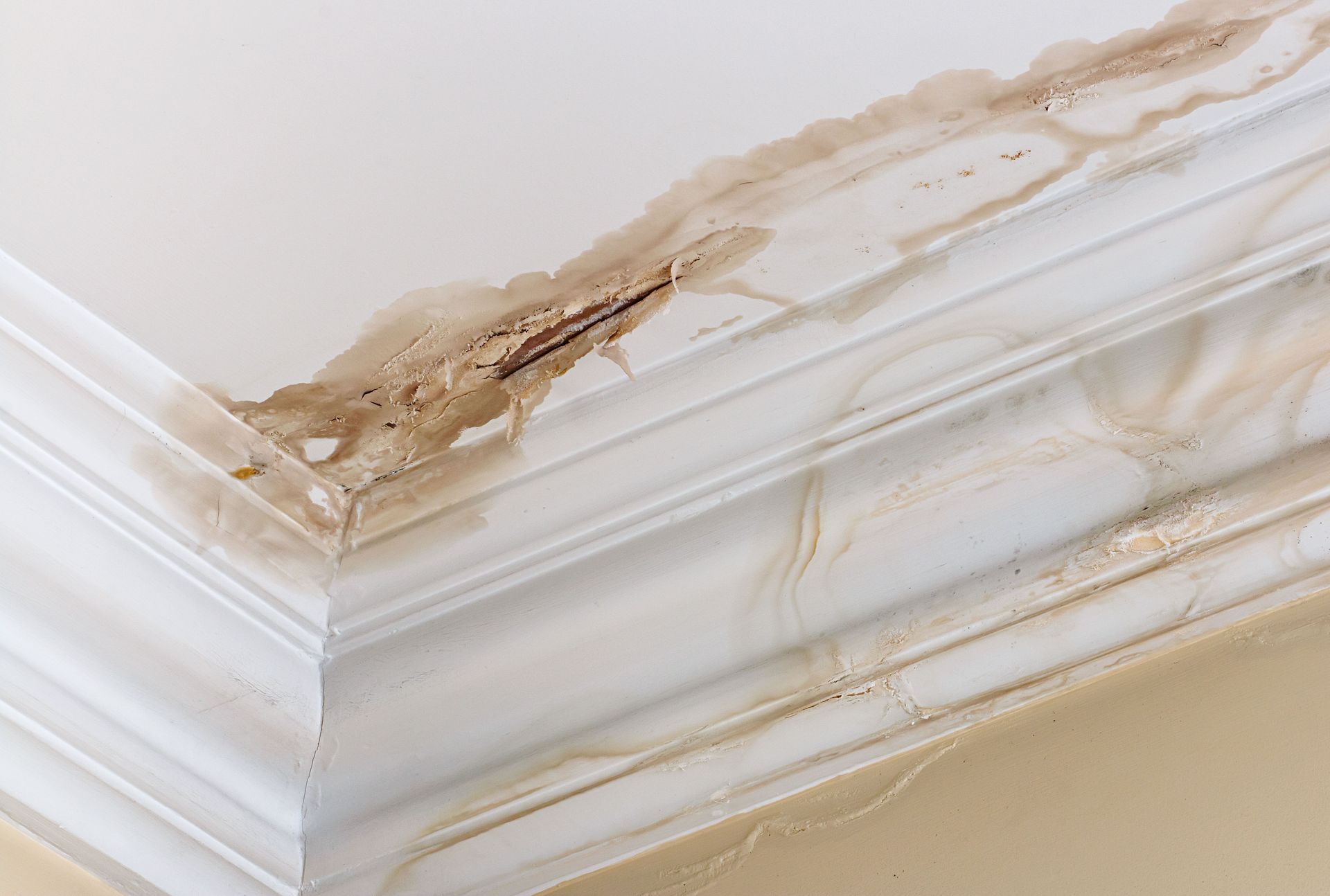
Discoloration, peeling paint, bubbling surfaces, and musty odors are common indicators of water intrusion. Although these symptoms may initially appear minor, they can signal moisture trapped behind walls or beneath flooring. Ignoring them allows underlying problems to develop and creates conditions for mold growth.
Understanding the Conditions That Encourage Mold Growth
Recognizing the Role of Moisture
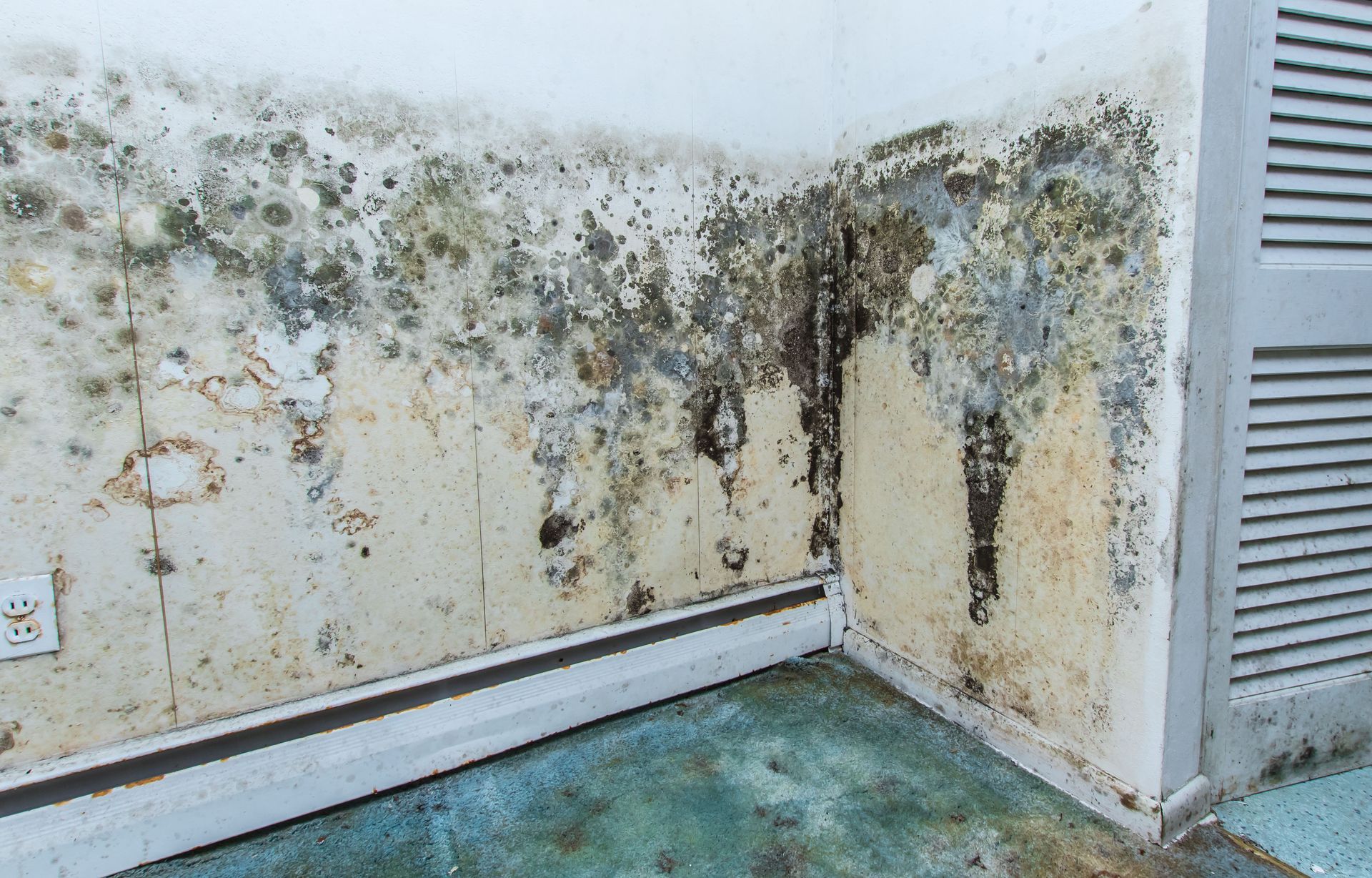
Mold requires moisture, suitable temperatures, and an organic food source to develop. Common building materials, including wood, drywall, and carpeting, can provide the nutrients mold needs. When these materials remain damp, mold spores may begin growing and spreading.
The prevalence of indoor mold highlights the importance of moisture management. According to the National Institute for Occupational Safety and Health (NIOSH), nearly 47% of residential buildings show visible mold or detectable mold odor. This finding demonstrates how frequently mold-related conditions affect homes and reinforces the importance of addressing water intrusion promptly.
Understanding the Timeline for Mold Development
Mold can begin developing within 24 to 48 hours after water exposure when environmental conditions are favorable. During this period, spores can settle on damp surfaces and establish colonies. As moisture continues to accumulate, these colonies may expand into surrounding materials.
Delaying water damage restoration gives mold more opportunities to spread. A localized leak can eventually affect multiple rooms or concealed building components. A quick response helps limit the time materials remain wet and reduces the potential for extensive contamination.
Managing Temperature and Humidity
Indoor temperature and humidity levels influence how quickly mold develops. Warm environments with elevated humidity encourage mold growth, particularly when moisture is present in porous materials. Dehumidifiers and appropriate ventilation help reduce indoor moisture, although water trapped inside walls or flooring may require specialized drying methods.
Recognizing the Health Risks of Mold Exposure
Identifying Respiratory and Allergic Reactions
Mold exposure can affect indoor air quality and contribute to respiratory irritation. Airborne spores may trigger coughing, wheezing, throat irritation, sneezing, nasal congestion, and itchy eyes. Individuals with asthma or existing respiratory conditions may experience more noticeable symptoms.
Children, older adults, and people with weakened immune systems may also be more vulnerable to certain effects of mold exposure. Removing moisture sources and addressing contamination helps reduce continued exposure.
Preventing Prolonged Indoor Exposure
Mold colonies hidden behind drywall, beneath carpets, or inside ventilation systems may remain undetected while releasing spores. Simply cleaning visible discoloration does not necessarily address contamination in concealed areas.
Thorough water damage restoration involves identifying moisture sources, evaluating affected materials, and determining which areas require drying or removal. Addressing underlying conditions helps limit recurring problems and protect occupants.
Evaluating the Financial Consequences of Delayed Repairs
Comparing Immediate and Delayed Restoration Costs
Postponing repairs can make water damage significantly more expensive to address. When moisture remains untreated, additional materials may become damaged, and mold remediation may become necessary. Repairs that initially involve drying a small area can eventually require replacing drywall, insulation, flooring, or structural components.
Early intervention reduces the scope of restoration work by limiting how long materials remain exposed to moisture. Professional water damage restoration helps property owners identify the extent of the problem before additional damage develops.
Understanding Insurance Complications
Water damage and mold-related insurance claims can involve specific coverage requirements and exclusions. Some policies distinguish between sudden water damage and problems resulting from long-term neglect. Delaying necessary repairs may complicate the claims process.
Property owners should document visible damage, keep records of communications, and review their insurance policies to understand applicable coverage. Reporting incidents promptly can help prevent complications.
Protecting Property Value
Visible mold, persistent odors, and evidence of unresolved water damage can negatively affect a property's appeal. Prospective buyers may hesitate to purchase a building with a history of moisture problems. Addressing water intrusion promptly helps preserve the property's condition and marketability.
Preventing Long-Term Moisture and Structural Problems
Maintaining Building Materials
Prolonged moisture exposure can shorten the lifespan of many building materials. Wood may rot or warp, drywall can deteriorate, and flooring may separate or become unstable. Insulation can also lose effectiveness when saturated, affecting indoor comfort and energy efficiency.
Regular inspections of plumbing fixtures, roofs, windows, basements, and other vulnerable areas can help identify water intrusion. Addressing small leaks and drainage problems reduces the likelihood of recurring damage.
Reducing the Risk of Secondary Damage
Unresolved moisture can attract pests, including termites, cockroaches, and certain types of ants. Damp environments may provide these pests with suitable shelter. When pest activity develops alongside structural deterioration, property maintenance becomes more complicated.
If affected materials are not thoroughly dried or the original moisture source remains unresolved, the same areas may experience additional problems. Comprehensive water damage restoration addresses both visible damage and its underlying causes.
Choosing Effective Water Damage Response Strategies
Identifying the Source and Extent of Damage
The first step in responding to water damage is identifying and stopping the source of intrusion. Property owners should determine whether the problem involves a plumbing leak, appliance malfunction, roof damage, or flooding. The type of water involved also influences cleanup procedures.
Water damage is generally classified into three categories based on contamination levels. Category 1 involves clean water, Category 2 contains some contaminants, and Category 3 involves highly contaminated water. These distinctions help determine the necessary safety precautions and restoration methods.
Applying Proper Drying Techniques
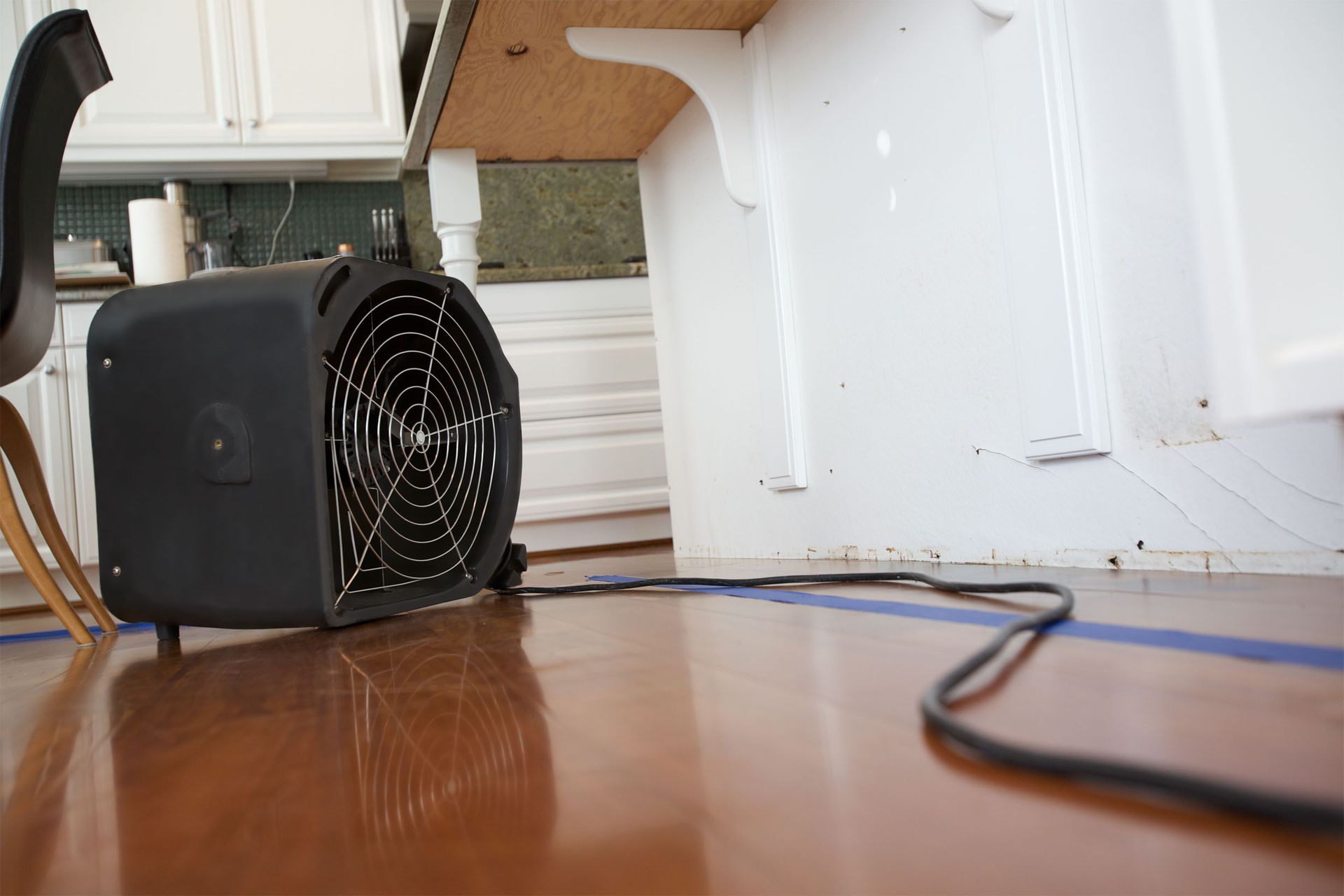
Removing standing water is only one part of the restoration process. Affected materials must also be dried thoroughly to reduce deterioration and mold development. Professional equipment, including commercial dehumidifiers, air movers, and moisture meters, helps address damp areas and monitor drying progress.
Some materials may need to be removed when they cannot be adequately dried or have sustained extensive contamination. Effective drying also requires addressing the original water source so the problem does not return.
Determining When Professional Assistance Is Necessary
Minor spills on nonporous surfaces may be manageable with basic cleanup, but larger incidents often require professional attention. Water affecting multiple rooms, structural components, insulation, or electrical systems can present complications that are difficult to evaluate without appropriate equipment.
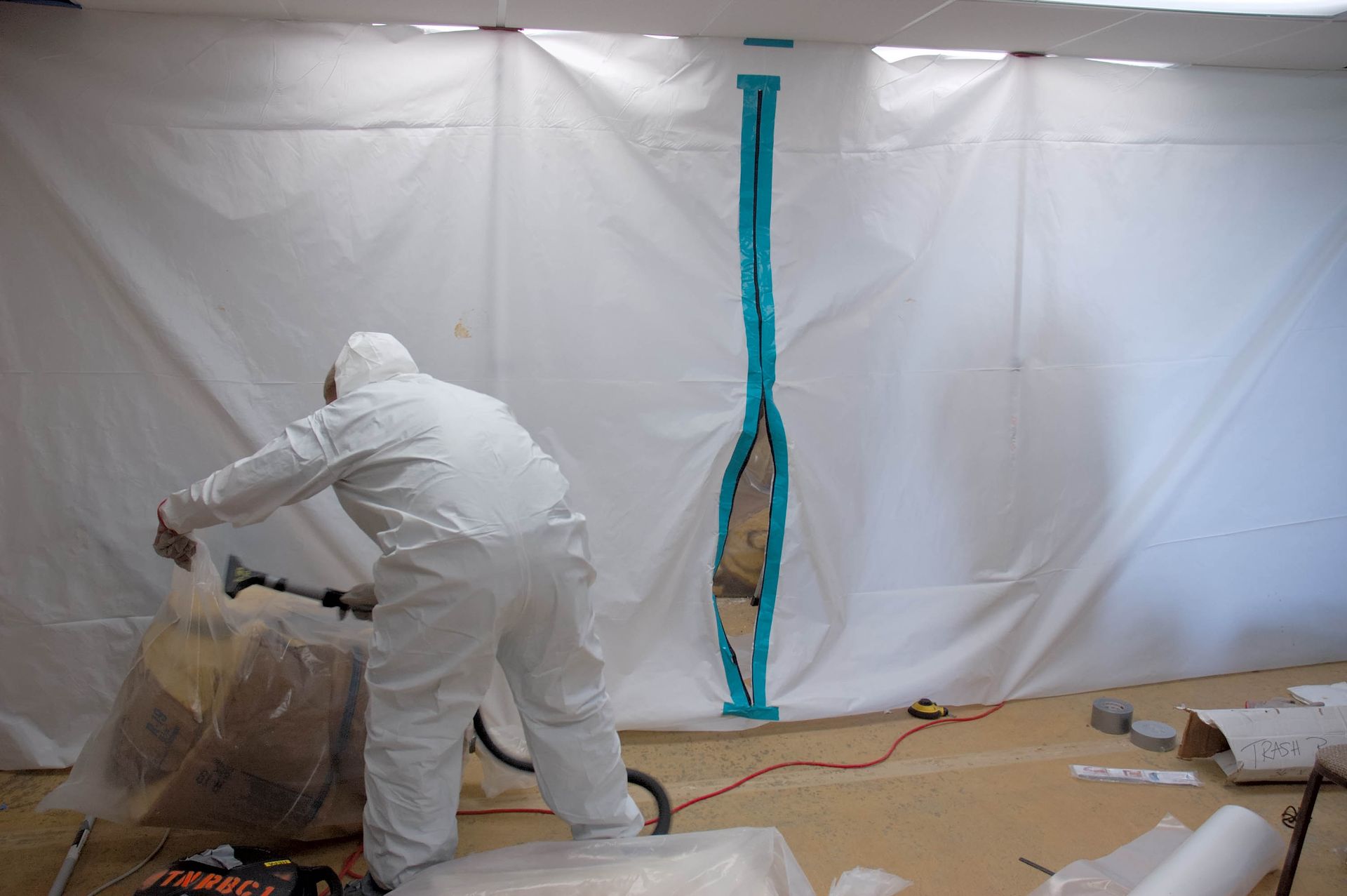
Professional water damage restoration provides a comprehensive approach to assessing affected areas, removing excess water, and drying building materials. Restoration professionals can also identify potential mold concerns and recommend appropriate remediation.
Water damage should never be treated as a minor inconvenience when moisture can spread throughout a building. Delays can contribute to mold development, structural deterioration, indoor air quality concerns, and higher repair expenses. Taking action quickly helps protect the property and its occupants. For assistance with water damage concerns, contact FM Services LLC to discuss professional restoration solutions and determine the appropriate next steps for your property.